Beauty / Practical guide
Salon booking systems: a service-to-calendar planning model
Map treatments, artists, rooms and buffers into a booking workflow your staff can operate.
What should a salon booking system include?
A salon booking system should match each treatment to eligible staff, required resources, duration and availability. It also needs clear confirmation, cancellation and rescheduling behavior. Customer communication and staff calendar changes must reflect the same saved appointment state.
Model the treatment rather than a generic slot
Write down service duration, setup time, recovery buffer and any required room or equipment. Decide whether every artist can provide the service. If two resources are required, both must be available when the booking is committed.
Make the service menu do useful work
Before selecting a time, the customer needs enough information to choose the right treatment. Describe the service, duration and preparation clearly. Avoid asking for unnecessary personal information just because the form supports more fields.
Define the change workflow
A cancellation should release the resources it consumed. A reschedule should preserve the original booking if the replacement cannot be confirmed. A staff-created walk-in should use the same availability rules as an online booking.
Connect the front and back office
The customer sees a treatment, an artist and a time. Staff see resource commitments, calendar changes and a next action. Managers may need different permissions for prices, overrides and reporting. These are related views of one operational model, not separate calendars.
Choose communication deliberately
A booking confirmation, a reminder and a marketing message serve different purposes. Define the customer’s permissions and the provider setup before automating messages. When a reminder fails, the booking should remain correct and staff should be able to see the communication issue.
Use a scope matrix
Prepare the actual treatment list and mark resource requirements. Then add roles, payment rules, migration and integrations. This turns a broad request for “salon software” into a testable brief.
| Service example | Artist | Other resource | Buffer |
|---|---|---|---|
| Illustrative treatment A | Eligible artist required | Room required | Defined by the salon |
| Illustrative treatment B | Eligible artist required | Equipment if needed | Defined by the salon |
Relevant work and next steps
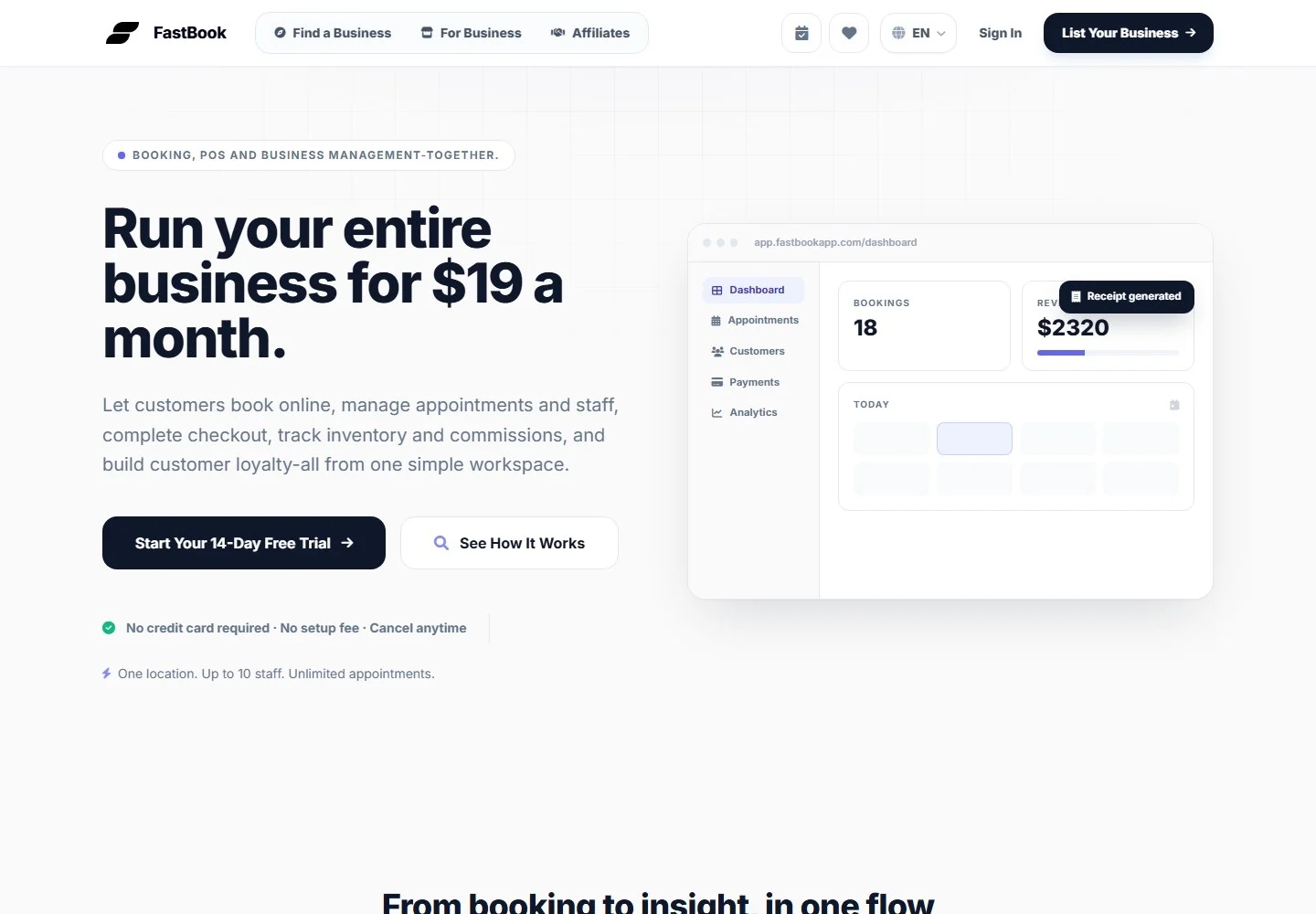
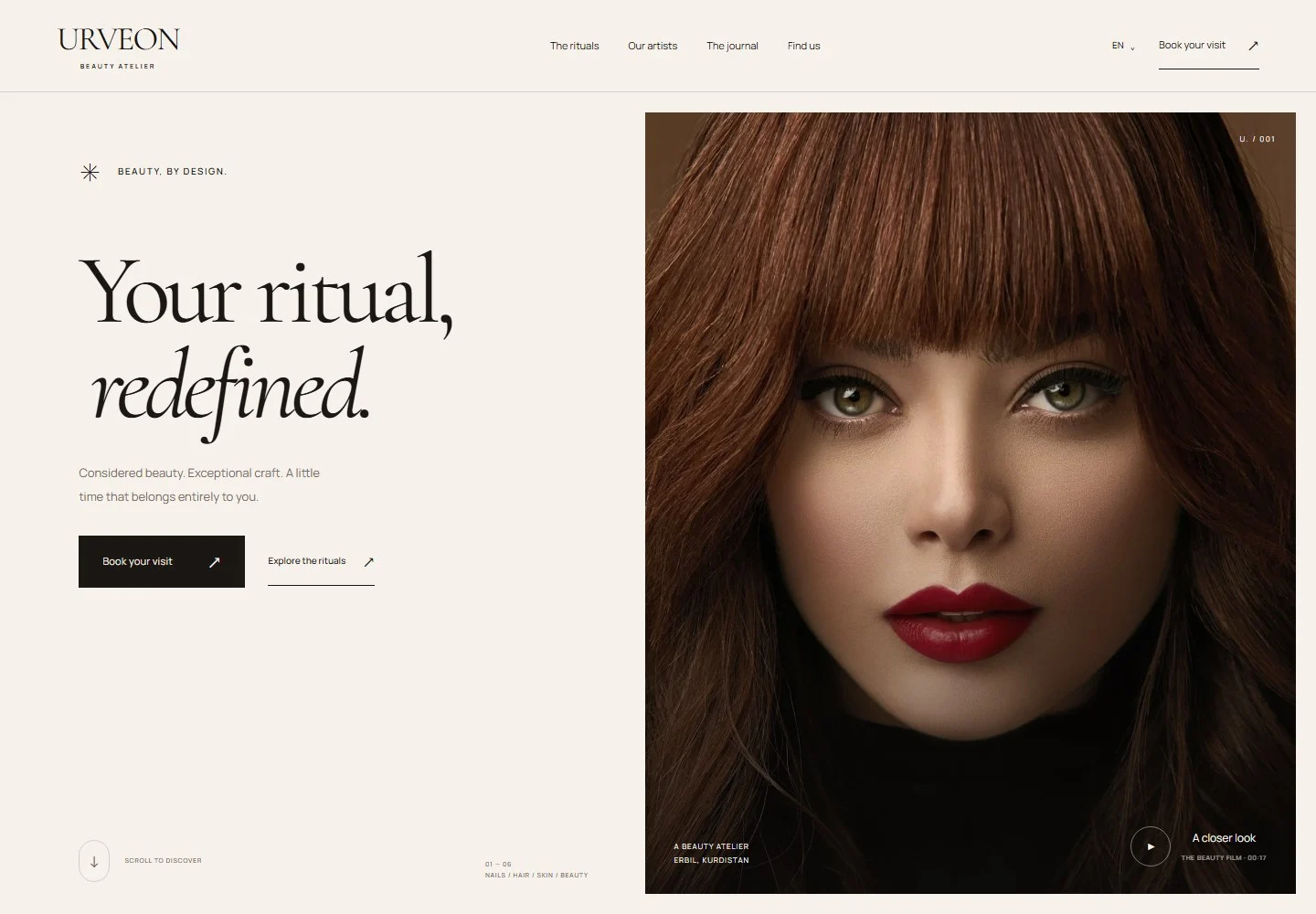
URVEON Beauty Atelier illustrates treatment and artist discovery. FastBook illustrates booking and business-management capabilities. Use the requirements planner to record your own operating rules rather than treating either example as a universal specification.