Design / Practical guide
Custom website vs template: a decision framework
Choose a website approach by mapping content, customer decisions, operational needs and ownership.
When is a custom website worthwhile?
A custom website is worthwhile when your content model, customer journey, visual direction or integrations need decisions that a template cannot support well. A template can be a sensible choice for a straightforward publishing need. The right approach follows the requirements and the resources available to maintain it.
Separate appearance from behavior
Changing colors and typography may be enough for one project. Another may need a property model, language-specific navigation or a booking workflow. Write down the required behaviors before deciding how much custom design or engineering is justified.
Compare the responsibilities
A template still needs reviewed content, useful images, accessible forms, metadata and an editing process. A custom build adds more design and engineering decisions but can align them more closely with a particular workflow.
| Requirement | Template may fit | Custom may help |
|---|---|---|
| Content | Standard pages and posts | Distinct records and relationships |
| Journey | Standard enquiry path | Specialized booking or qualification |
| Direction | Existing visual structure suits the brand | Art direction is central to the offer |
| Operation | Existing tool integrations work | New operational model or interface needed |
Budget for content and migration
An attractive layout cannot fix missing product information or unclear service descriptions. Identify the content owner, image rights and URLs that need redirects. A redesign should preserve useful incoming links and avoid replacing specific information with generic slogans.
Include accessibility in the plan
W3C’s planning guidance treats accessibility as an organizational and delivery responsibility. Agree checks, ownership and content practices early. Keyboard access, readable text and clear form feedback should not depend on the choice between template and custom.
Evaluate evidence rather than scale claims
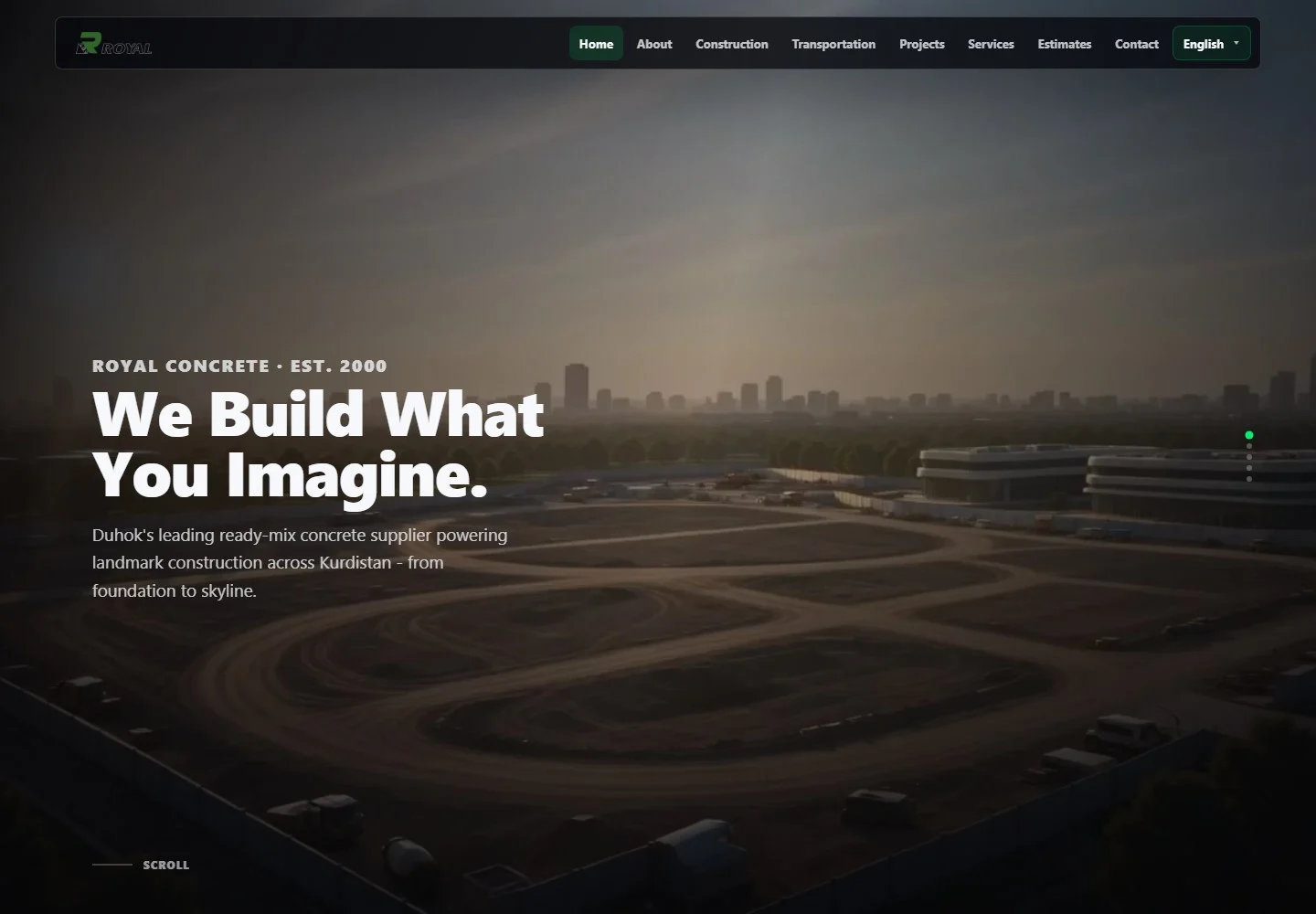
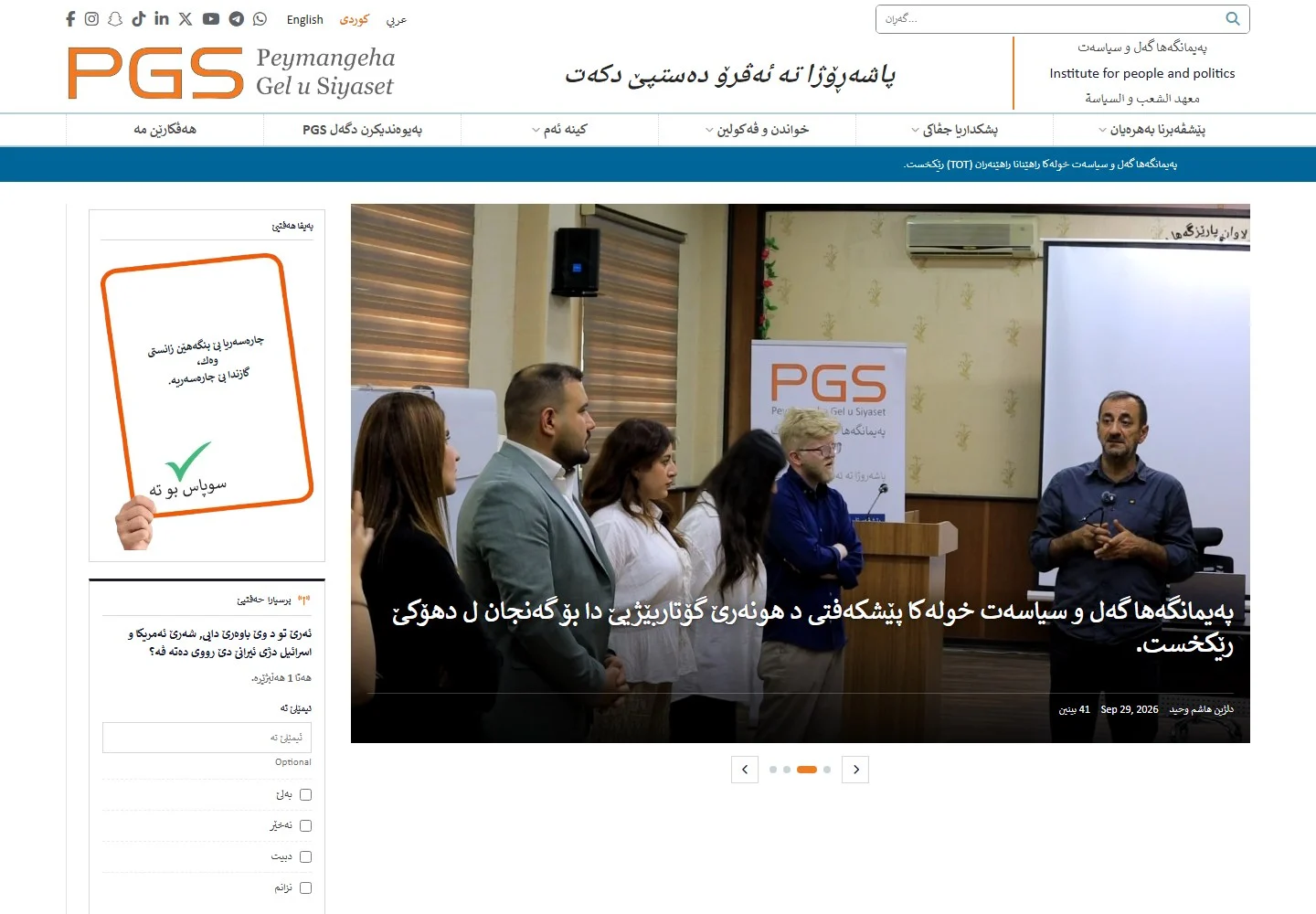
Review relevant project interfaces and ask how the proposed approach solves your workflow. URVEON’s portfolio includes institutional, property, education, creative and commerce websites. Screenshots demonstrate the public interface; architecture and outcome claims need additional evidence.
Write a brief that makes the choice easier
List the audience, the primary action, content types, languages, integrations and editing roles. Add examples of what visitors struggle to do today. That information makes a recommendation more useful than asking for a generic “premium website.”
Sources and further reading.
The decision models and examples are URVEON editorial guidance. External implementation facts are supported by the primary references below; provider capabilities should be rechecked during project discovery.