
Retail
Retail systems from product discovery to fulfilment.
Commerce experiences and operational workflows that keep product information, stock and customer orders aligned.
Discuss your projectThe problem: the website and the stockroom disagree
A product can look available online while the last unit was sold elsewhere. Variants, deliveries and returns make this harder as the catalog grows. The operational model needs to explain which stock can be promised and when it changes.
What we build
Storefronts can combine collections, product details, variants and customer enquiries. A commerce platform adds checkout, order states and fulfilment tools. Inventory and POS integrations connect those customer actions to stock movement and staff responsibilities.
The order lifecycle
Separate order creation, payment, allocation, fulfilment and refund states. A failed payment should not look like a completed sale, and a cancelled order should release an allocation according to an agreed rule. Staff need an exception view as well as the happy path.
Common integration decisions
Payment, shipping, POS and accounting connections depend on provider accounts and supported APIs. Define the authoritative stock system, update timing and reconciliation process. Avoid having two systems independently overwrite the same quantity.
Examples from the portfolio
Goodiso presents sweets, product collections and wholesale enquiries. URVEON Technology presents electronics collections and store information. URVEON Interiors connects project work and furniture collections. These interfaces demonstrate discovery patterns rather than unverified private stock integrations.
Prepare the catalog before the platform
Clean product names, variant identifiers, images, prices and delivery rules make platform selection easier. Map wholesale and consumer journeys separately when they use different pricing or approval processes. The right platform follows those requirements.
Public project evidence
Relevant work.
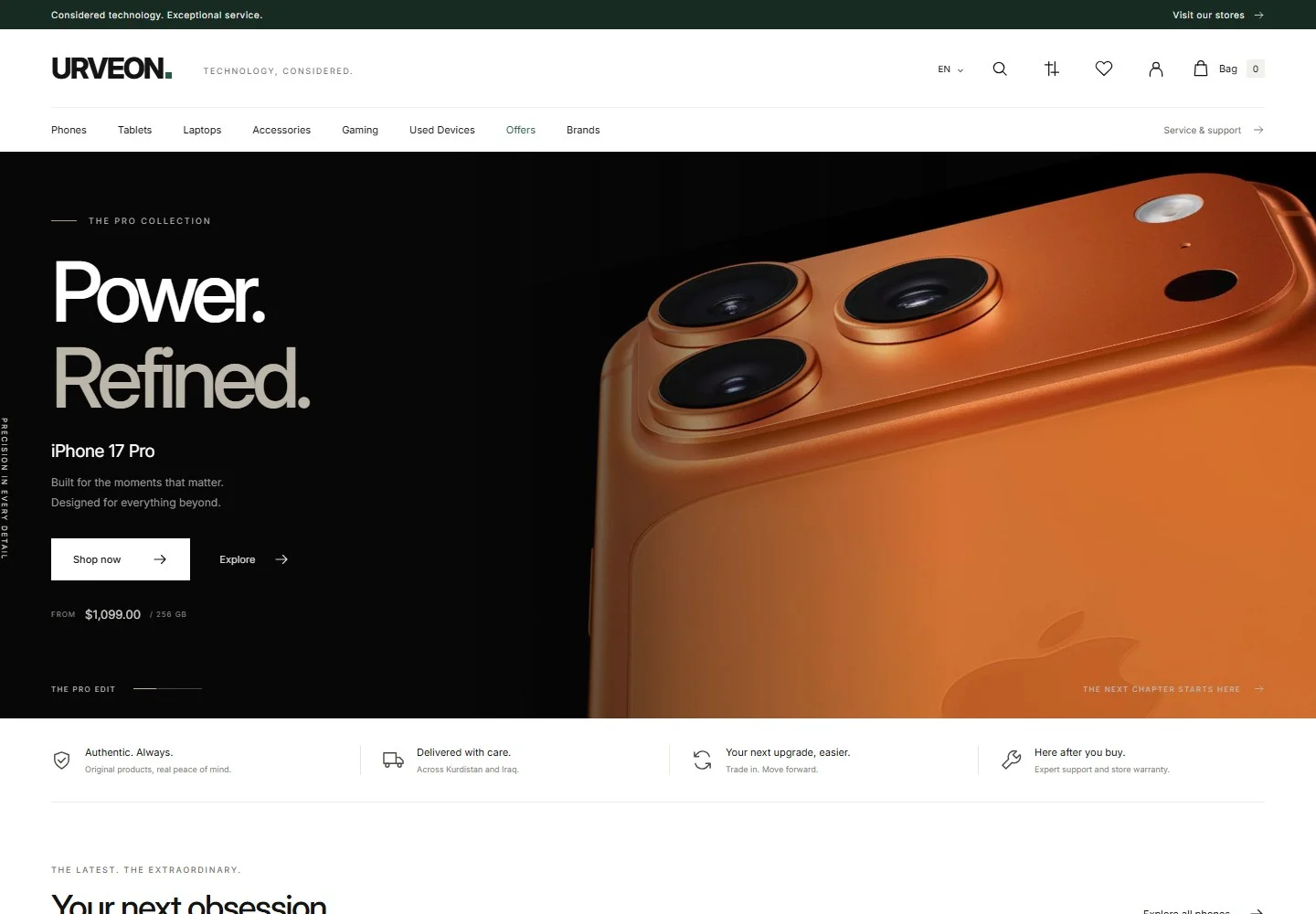 E-commerce Website
URVEON Technology
An electronics storefront presenting phones, computers, accessories and support through a clear shopping experience.
 Interior Design Website
URVEON Interiors
An interior design and furniture website connecting spaces, studio projects and product collections.
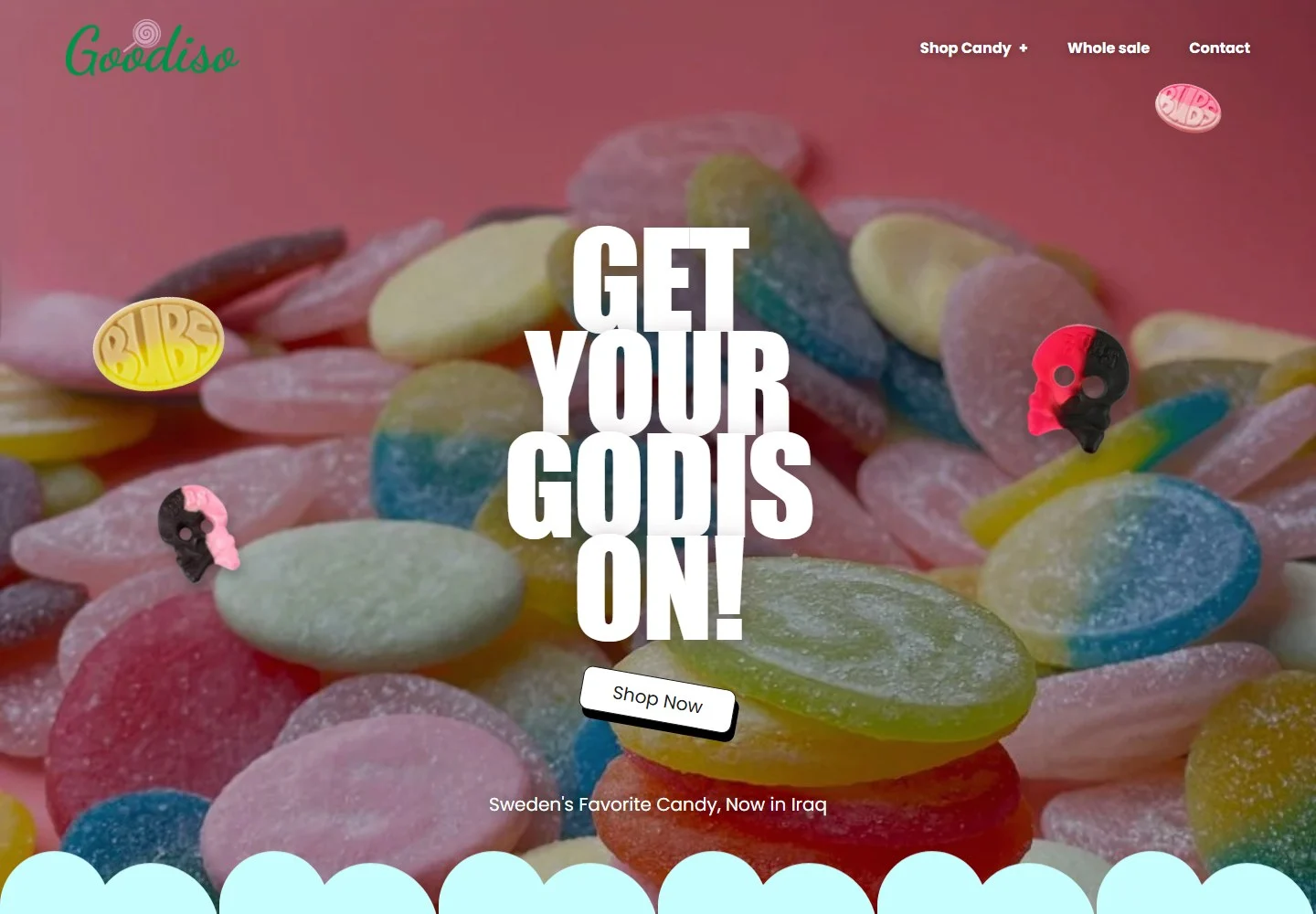 E-commerce Website
Goodiso
A colorful candy storefront for Goodiso in Iraq, presenting Swedish sweets, product collections, wholesale information and customer enquiries.
Questions, answered
Before we build.
Can you support wholesale and retail customers?
Yes. We define pricing visibility, account approval, minimum order rules and fulfilment differences before choosing the implementation.
Can an existing POS remain the stock source?
Yes, when its API and synchronization model support the required workflow. We also define reconciliation and outage behavior.